Conquer Fear. Virtually
Conquer Fear. Virtually
Improving VR exposure therapy by understanding user perception and attention
Digital Health

Designing VR Exposure Therapy for Fear Reduction
Project Overview
Project Overview
Explored how guided narration influences immersion and emotional regulation in virtual reality exposure therapy.
Explored how guided narration influences immersion and emotional regulation in virtual reality exposure therapy.
The Challenge
The Challenge
How might we understand the role of guided narration in helping users regulate their emotions during VR exposure experiences without compromising immersion?
Goal
Goal
Design and conduct a study to evaluate how guided narration affects users' emotional responses during VR exposure experiences while preserving maximum immersion.
Industry
Digital Health
My Role
UX Research
UX Research
Study Design
Study Design
Prototype Testing
Prototype Testing
Data Analysis
Data Analysis
Timeline
August 2025 - December 2025
August 2025 - December 2025
Approach
Approach
To investigate the role of narration in VR therapy, we designed a controlled study comparing two exposure experiences.
Research Methods
A/B testing (narration vs no narration)
VR prototype testing
Participant observation
Post-session surveys
Tools
Meta Quest 3
360° VR environments
Survey instruments
To investigate the role of narration in VR therapy, we designed a controlled study comparing two exposure experiences.
Research Methods
A/B testing (narration vs no narration)
VR prototype testing
Participant observation
Post-session surveys
Tools
Meta Quest 3
360° VR environments
Survey instruments
Low-Fidelity Study
Low-Fidelity Study
The initial prototype used a bridge-walk VR environment designed to simulate fear of heights.
Participants experienced a 360° video while standing in a controlled environment and completed surveys after the session.
Study components
participant onboarding
headset fitting and safety briefing
exposure session
post-experience survey
However, early testing revealed several usability issues.
The initial prototype used a bridge-walk VR environment designed to simulate fear of heights.
Participants experienced a 360° video while standing in a controlled environment and completed surveys after the session.
Study components
participant onboarding
headset fitting and safety briefing
exposure session
post-experience survey
However, early testing revealed several usability issues.

Screenshot of Bridge walk VR environment
Screenshot of Bridge walk VR environment
Key Issues Discovered
Key Issues Discovered
Low-fidelity testing surfaced several friction points:
Environmental distractions from hallway testing conditions
Boundary interruptions when participants moved too much
Narration timing that felt overly directive
These issues reduced immersion and disrupted the therapy experience.
Low-fidelity testing surfaced several friction points:
Environmental distractions from hallway testing conditions
Boundary interruptions when participants moved too much
Narration timing that felt overly directive
These issues reduced immersion and disrupted the therapy experience.
Design Iteration
Based on the initial findings, the study design was refined.
Changes made
Moved testing to the XR Lab to reduce environmental distractions
Replaced the bridge walk with a stationary hot-air-balloon VR environment
Rewrote narration to be calmer and less directive
Adjusted timing of narration to support natural coping responses
Based on the initial findings, the study design was refined.
Changes made
Moved testing to the XR Lab to reduce environmental distractions
Replaced the bridge walk with a stationary hot-air-balloon VR environment
Rewrote narration to be calmer and less directive
Adjusted timing of narration to support natural coping responses
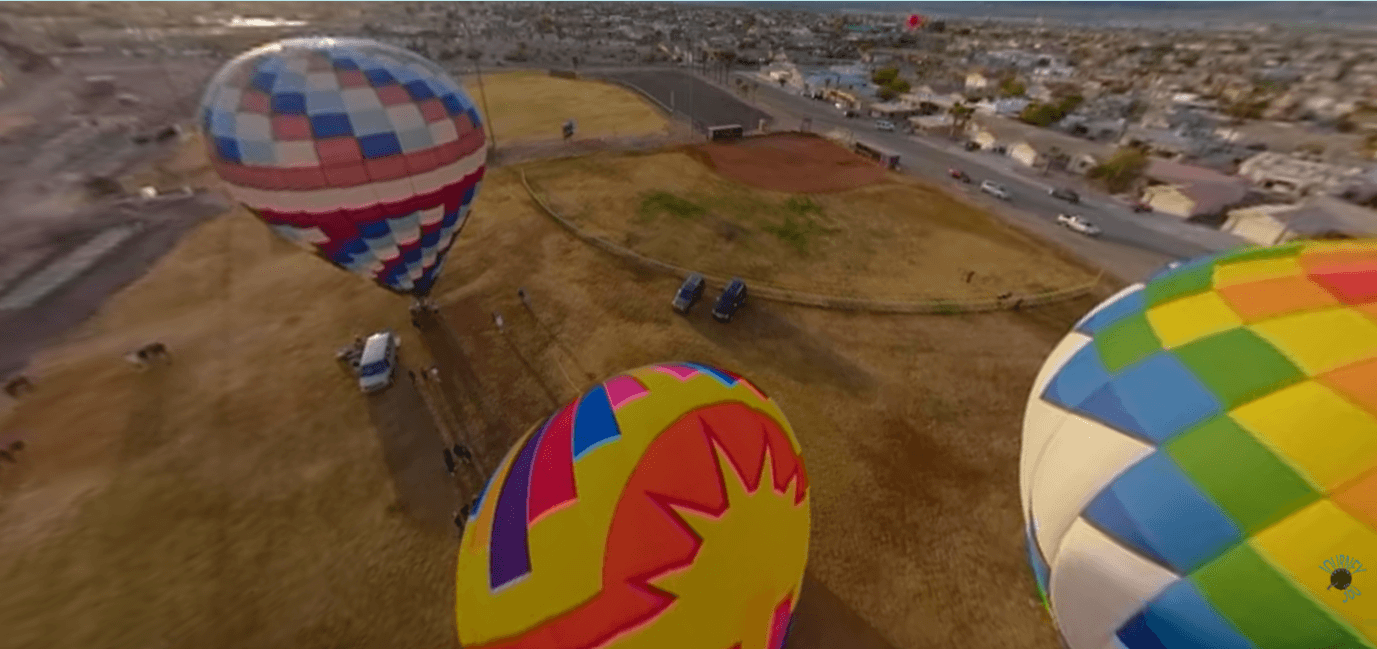
Screenshot of hot-air-balloon VR scene
Key Findings
Key Findings
Iteration significantly improved immersion and user comfort.
Iteration significantly improved immersion and user comfort.
Immersion increased
Refinements to the testing environment and VR experience significantly increased immersion.
80% of participants reported feeling fully immersed in the refined prototype
compared to 33% in the initial prototype
Refinements to the testing environment and VR experience significantly increased immersion.
80% of participants reported feeling fully immersed in the refined prototype
compared to 33% in the initial prototype
Narration influenced emotional response
Narration influenced emotional response
Participants exposed to narration reported that it helped regulate their emotional response during the experience.
Participant with narration:
“I was a little more nervous so I actually tried to listen to the narration… it helped me stay calm.”
Participant without narration:
“I could feel like we’re floating higher and higher… this would be good for people before getting on an actual hot air balloon.”
Participants exposed to narration reported that it helped regulate their emotional response during the experience.
Participant with narration:
“I was a little more nervous so I actually tried to listen to the narration… it helped me stay calm.”
Participant without narration:
“I could feel like we’re floating higher and higher… this would be good for people before getting on an actual hot air balloon.”
Confidence in therapy
Confidence in therapy
While this was not a clinical therapy session, 60% of participants reported they would feel comfortable continuing similar VR experiences if used within an exposure therapy setting.
Participants indicated that structured VR exposure could potentially help them gradually confront fear in a controlled environment.
While this was not a clinical therapy session, 60% of participants reported they would feel comfortable continuing similar VR experiences if used within an exposure therapy setting.
Participants indicated that structured VR exposure could potentially help them gradually confront fear in a controlled environment.
Outcome
Outcome
The study demonstrated that effective VR exposure therapy depends not only on the environment itself but also on the structure, pacing, and narration of the experience.
Carefully designed narration can help regulate emotional responses while maintaining immersion in VR therapy sessions.
The study demonstrated that effective VR exposure therapy depends not only on the environment itself but also on the structure, pacing, and narration of the experience.
Carefully designed narration can help regulate emotional responses while maintaining immersion in VR therapy sessions.
Reflection
Reflection
This project highlighted how designing immersive experiences requires balancing technical constraints, environmental factors, and emotional pacing.
It also demonstrated how iterative testing can improve both immersion and psychological comfort in VR therapy environments.
This project highlighted how designing immersive experiences requires balancing technical constraints, environmental factors, and emotional pacing.
It also demonstrated how iterative testing can improve both immersion and psychological comfort in VR therapy environments.
Future Work
Future Work
Future iterations could expand the research by:
Testing different narration styles (mindfulness vs coaching)
Integrating biometric feedback such as heart rate monitoring
Adapting exposure intensity dynamically based on user stress levels
Future iterations could expand the research by:
Testing different narration styles (mindfulness vs coaching)
Integrating biometric feedback such as heart rate monitoring
Adapting exposure intensity dynamically based on user stress levels